
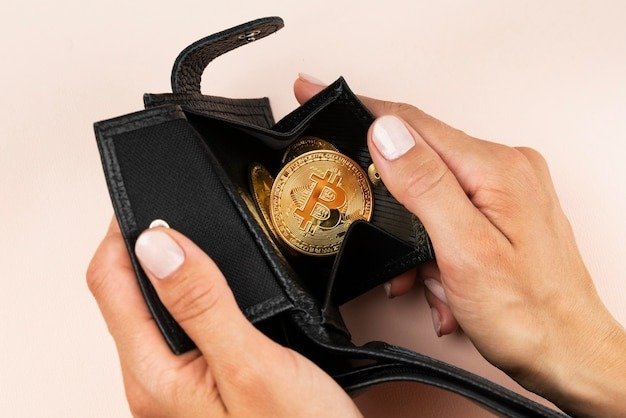
In the ever-evolving world of cryptocurrency, navigating your way through exchanges, portfolio trackers, and wallets can feel overwhelming. Whether you are a seasoned investor or a newcomer, understanding these key components is vital for a successful crypto journey. This comprehensive guide will break down each element, helping you make informed decisions as you dive into the fascinating realm of digital currencies.
1. Understanding Cryptocurrency Exchanges
Cryptocurrency exchanges serve as the primary gateway for buying, selling, and trading cryptocurrencies. They allow you to convert traditional fiat currencies into cryptocurrencies and vice versa. There are two main types of exchanges: centralized exchanges (CEX) and decentralized exchanges (DEX).
Centralized Exchanges (CEX)
Centralized exchanges are operated by companies that act as intermediaries between buyers and sellers. Some of the most popular CEX platforms include:
- Binance: Known for its extensive selection of cryptocurrencies and low trading fees, Binance is one of the largest exchanges in the world.
- Coinbase: Ideal for beginners, Coinbase offers a user-friendly interface and robust security measures, making it an excellent starting point for new investors.
- Kraken: Recognized for its advanced trading features and high security, Kraken is favored by experienced traders looking for more sophisticated options.
While CEXs provide convenience and liquidity, they also come with risks, as users must trust the exchange to safeguard their assets. Always conduct thorough research and consider factors such as security, fees, and customer support before choosing an exchange.
Decentralized Exchanges (DEX)
Decentralized exchanges operate without a central authority, allowing users to trade directly with one another via smart contracts on a blockchain. Some notable DEX platforms include:
- Uniswap: Built on the Ethereum blockchain, Uniswap enables users to swap ERC-20 tokens in a permissionless environment.
- SushiSwap: A community-driven DEX that offers additional features like yield farming and staking.
- PancakeSwap: The go-to DEX for trading Binance Smart Chain tokens, offering lower fees and faster transactions compared to its Ethereum counterparts.
While DEXs eliminate the need for intermediaries, they require a higher level of technical knowledge and understanding of smart contracts. Users must also be cautious about the potential for smart contract vulnerabilities.
2. The Importance of Portfolio Trackers
Once you’ve started trading cryptocurrencies, tracking your investments becomes crucial for managing your portfolio effectively. Portfolio trackers are tools that help you monitor your holdings in real time, providing insights into your investment performance.
Features of Portfolio Trackers
When selecting a portfolio tracker, consider the following features:
- Comprehensive Asset Coverage: The tracker should support a wide range of cryptocurrencies and tokens.
- Real-Time Price Updates: Access to live price data is essential for making informed trading decisions.
- Performance Analysis: Look for tools that provide detailed analytics, including profit/loss calculations and historical performance charts.
- Custom Alerts: Many portfolio trackers allow you to set price alerts for specific assets, ensuring you never miss a trading opportunity.
Popular Portfolio Tracker Apps
Here are a few reputable portfolio tracker apps that can enhance your investment management:
- Blockfolio: A popular choice for mobile users, Blockfolio offers a sleek interface and customizable notifications.
- CoinStats: This platform supports a vast array of cryptocurrencies and integrates with various exchanges for seamless tracking.
- Delta: Known for its user-friendly design, Delta provides in-depth analytics and a community feature for sharing insights with fellow investors.
“The more you learn about managing your portfolio, the more confident you will become in making investment decisions.”
3. Choosing the Right Wallet for Your Crypto Assets
Storing your cryptocurrencies securely is one of the most critical aspects of your crypto journey. Wallets come in various forms, each offering different levels of security and accessibility.
Types of Crypto Wallets
Understanding the different types of wallets is essential for safeguarding your assets:
- Hardware Wallets: These physical devices, like Ledger and Trezor, store your private keys offline, providing robust security against hacking attempts.
- Software Wallets: Software wallets can be desktop or mobile applications, offering a balance of convenience and security. Examples include Exodus and Trust Wallet.
- Web Wallets: Accessible through web browsers, these wallets are user-friendly but less secure. Exchanges like Coinbase provide web wallets for easy access to your funds.
- Paper Wallets: A paper wallet is a physical printout of your public and private keys. While highly secure if generated and stored correctly, they lack the convenience of other wallet types.
Security Best Practices
Regardless of the wallet type you choose, following security best practices is crucial:
- Enable Two-Factor Authentication: Add an extra layer of security by enabling 2FA on all your accounts.
- Keep Your Private Keys Safe: Never share your private keys with anyone, as they grant access to your funds.
- Regular Backups: Regularly back up your wallet and store backup phrases or keys in a secure location.
Our contribution
Mastering your crypto journey requires a solid understanding of exchanges, portfolio trackers, and wallets. By choosing the right tools and practices, you can navigate the complexities of cryptocurrency investing with confidence. Remember that continuous learning and staying updated with market trends are essential components of successful investing. Whether you’re trading on exchanges, tracking your portfolio, or securely storing your assets, being informed is your greatest ally in the dynamic world of cryptocurrencies.
