
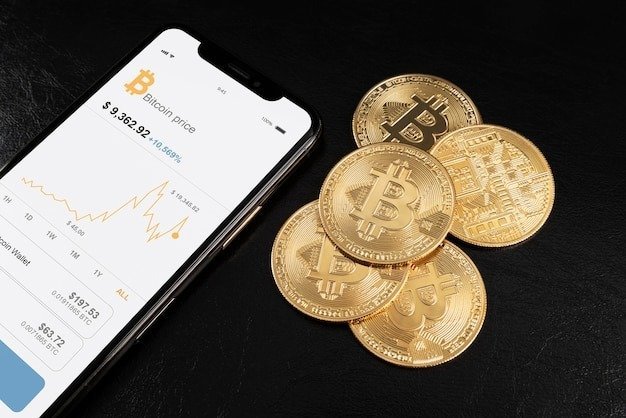
In the rapidly evolving landscape of cryptocurrency, Bitcoin stands out as the pioneer and most recognized digital asset. As more individuals and institutions invest in Bitcoin, understanding effective storage strategies is essential to safeguard your investment. This article explores various storage options, their advantages and disadvantages, and best practices for managing your Bitcoin investment securely.
Understanding Bitcoin Storage: Hot vs. Cold Wallets
When it comes to storing Bitcoin, it is crucial to differentiate between hot wallets and cold wallets:
Hot Wallets
Hot wallets are connected to the internet and are typically more convenient for frequent transactions. They come in various forms, including:
- Web Wallets: Accessible through web browsers, these wallets are easy to use and manage, typically provided by exchanges.
- Mobile Wallets: Smartphone applications that allow users to manage their Bitcoin on-the-go.
- Desktop Wallets: Software installed on your computer, providing greater control compared to web wallets.
While hot wallets offer convenience, they are more susceptible to hacking and theft due to their constant online presence. Therefore, they’re best suited for small amounts of Bitcoin that you need for regular transactions.
Cold Wallets
Cold wallets, on the other hand, are offline storage solutions that provide enhanced security for your Bitcoin. They include:
- Hardware Wallets: Physical devices that securely store your Bitcoin offline, making them nearly immune to online threats.
- Paper Wallets: A physical printout of your Bitcoin private keys and addresses, effectively isolating them from the internet.
- USB Drives: External drives that can store wallet files and are kept offline when not in use.
Cold wallets are ideal for long-term storage of larger amounts of Bitcoin, as they provide robust protection against cyber threats.
Choosing the Right Storage Solution
When deciding on a storage solution for your Bitcoin investment, consider the following factors:
- Investment Strategy: If you plan to trade frequently, hot wallets might be more suitable. For long-term holding, a cold wallet is recommended.
- Security Needs: Assess how much Bitcoin you own and your risk tolerance. If you’re holding a significant amount, prioritize security.
- Ease of Use: Choose a wallet that you find user-friendly, especially if you’re new to cryptocurrency.
- Backup and Recovery: Ensure that whatever storage solution you choose has a reliable backup and recovery process.
Best Practices for Managing Your Bitcoin Investment
In addition to choosing the right storage solution, here are some best practices to follow:
1. Enable Two-Factor Authentication (2FA)
For any wallet or exchange account that supports it, enabling 2FA is a simple yet effective way to enhance security. This adds an extra layer of protection beyond just a password.
2. Regularly Update Your Software
If you use software wallets or hardware wallets that can be updated, make sure to keep them current. Updates often include important security patches that protect against vulnerabilities.
3. Store Your Private Keys Securely
Your private keys are like the keys to your Bitcoin kingdom—if someone gains access to them, they can control your funds. Consider keeping them in a secure location, like a safe or a secure digital environment.
4. Consider Multi-Signature Wallets
Multi-signature wallets require multiple private keys to authorize a transaction, adding an extra layer of security. This can be particularly useful for businesses or partnerships.
5. Diversify Your Storage Solutions
Instead of putting all your Bitcoin in one type of wallet, consider diversifying your storage methods. This can help mitigate risks associated with any single storage solution.
6. Regularly Monitor Your Investments
Keep track of your Bitcoin investments and market trends. Regular monitoring can help you make informed decisions about buying, selling, or holding your Bitcoin.
“The best way to protect your Bitcoin is to treat it like a valuable asset—because it is.”
Our contribution
Managing your Bitcoin investment requires careful consideration of storage strategies that align with your investment goals and security needs. By understanding the differences between hot and cold wallets and adopting best practices for security, you can protect your investment and navigate the complexities of the cryptocurrency market with confidence. As the Bitcoin landscape continues to evolve, staying informed about storage options and security measures will remain crucial for any investor.
